
Don't let morning back pain hold you back from starting your day on the right foot! Follow these expert-backed tips to manage and prevent lower back pain after sleep.

The Back & Neck Pain Blog
Don't let morning back pain hold you back from starting your day on the right foot! Follow these expert-backed tips to manage and prevent lower back pain after sleep.

Don't let morning back pain hold you back from starting your day on the right foot! Follow these expert-backed tips to manage and prevent lower back pain after sleep.
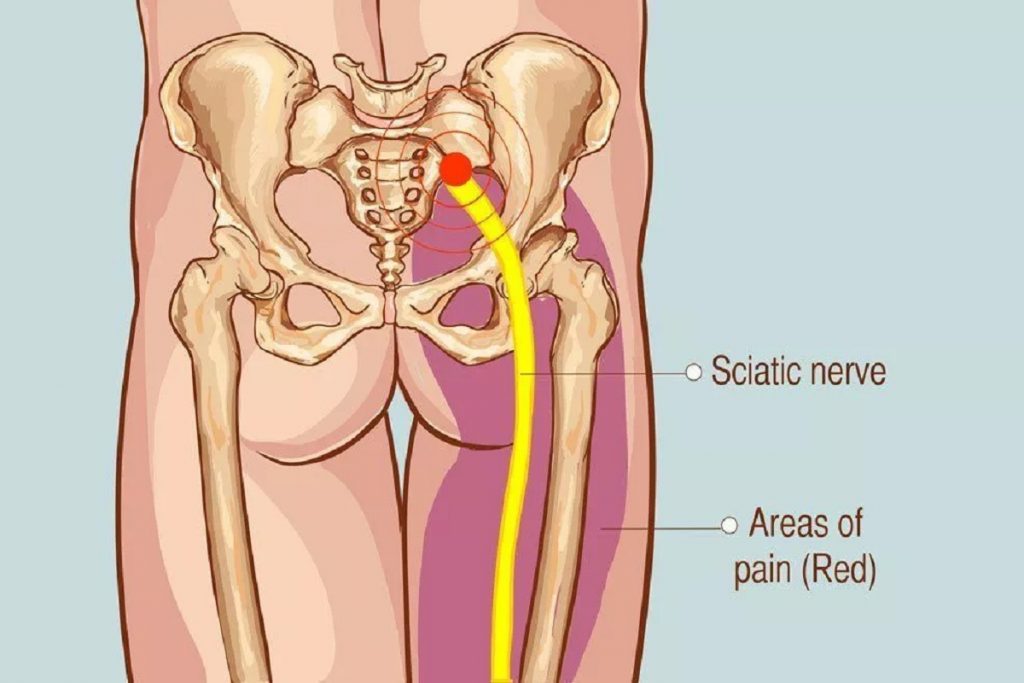
Sciatica is caused by a pinched nerve in the lumbar spine and the pain from this condition often manifests in the buttock.

Bones and connective tissue deteriorate naturally with age. If you don't take steps to reduce this, bones can significantly weaken. Therefore, increasing your risk of injury. Sitting all day is also a negative factor in bone deterioration. Because weight-bearing helps to strengthen bones and joints. So, getting up more throughout the day will help. But, you can support bone strength further with the correct diet.

There are many misconceptions involving back pain being serious. In fact, there are superstitions passed down for generations. People searching the internet also cause false information to circulate. Do you have back pain? Learn what is a back pain myth vs. the truth. It's a good thing to know. Seeking treatment immediately can also be life-changing. In fact, you can prevent serious damage to tissues.

The thoracic spine (aka the middle back) protects the organs found in the chest. The upper back is resistant to injuries. If there is pain in the upper back, it can be due to poor posture. Sometimes, thoracic spine pain due to an injury that impacts the sturdiness of the spine, though.

Scoliosis affects close to 6 million people in the U.S. This curvature of the spine can cause chronic back pain and mobility issues. Even some of the most famous people live with scoliosis.

If you are experiencing neck pain and have tried non-invasive treatment methods, you may be wondering 'is neck surgery right for me? First off, talk to your doctor about surgical options.

Most cervical disc herniations don't require surgery. Most resolve on their own over time. However, surgery may be warranted if symptoms persist or get progressively worse.

Spinal fusion surgery is performed at any level of the spine. This includes cervical, thoracic, and lumbar sections.